Top 10 Benefits of Corrugated Iron Roofing Sheet Making Machines?
In recent years, the demand for durable building materials has surged. The construction industry is increasingly turning to corrugated iron roofing. One key player in this trend is the corrugated iron roofing sheet making machine. This advanced equipment produces sheets that are known for their strength and longevity.
According to a report from Research and Markets, the global market for roofing materials is expected to grow significantly by 2025. The use of corrugated iron is on the rise due to its cost-effectiveness. However, many companies still rely on outdated methods. This not only affects production speed but also quality. Investing in modern machines can yield better results. Yet, many still hesitate to upgrade.
The corrugated iron roofing sheet making machine offers various benefits. It enhances production efficiency, reduces waste, and saves costs over time. Despite these advantages, some manufacturers may overlook key features. They need to assess whether they are maximizing their machine's potential. Embracing innovation can lead to better quality products and higher profits. The impact on the environment and energy efficiency is also important to consider.
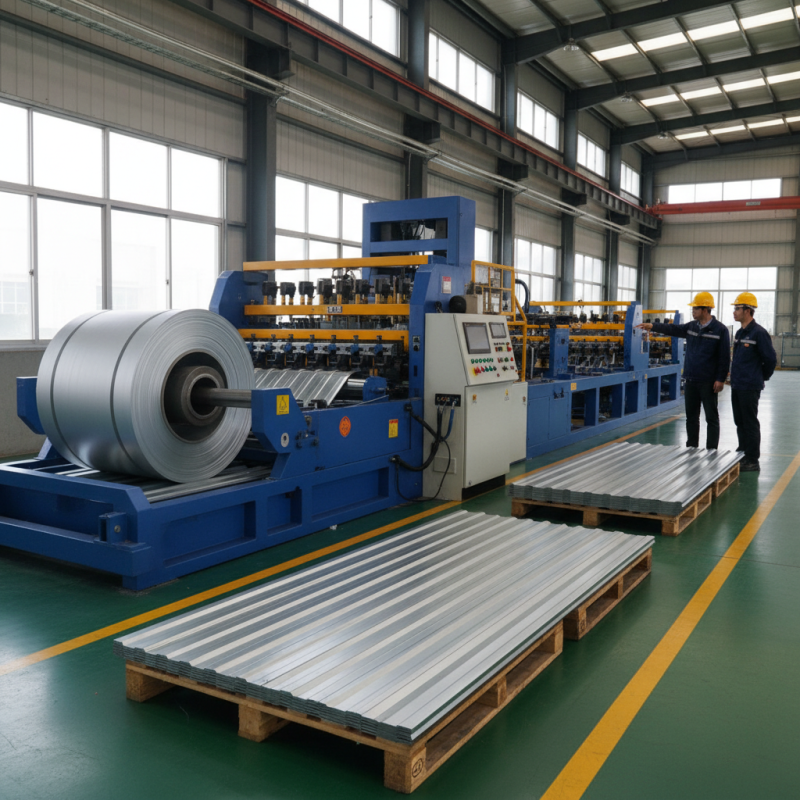
Overview of Corrugated Iron Roofing Sheet Making Machines
Corrugated iron roofing sheet making machines have revolutionized the manufacturing process. These machines automate production, improving efficiency. They can handle various materials, allowing for flexibility in design. Operators can produce different sheet sizes based on project requirements. This adaptability caters to both small and large-scale constructions.
The machines are typically energy-efficient, saving costs over time. Maintenance can be a challenge, though. Operators must regularly check for wear and tear. Proper training is essential to ensure safety and efficiency. Moreover, not all machines work well under extreme weather conditions. This may limit their use in specific regions.
Investing in these machines can yield significant benefits. However, challenges can arise during initial setup. Companies must conduct market research to align production with demand. This type of equipment can also benefit from ongoing technological upgrades. Staying informed about advancements can enhance productivity.
Economic Advantages of Using Roofing Sheet Making Machines
Roofing sheet making machines offer significant economic advantages for manufacturers. These machines streamline production, reducing labor costs while increasing output efficiency. According to industry reports, automated machines can boost production rates by up to 70%. This means businesses can meet rising demand without sacrificing quality. High-speed operations lead to impressive cost savings over time.
Additionally, investing in such machinery allows for customization. Companies can produce different styles and sizes of roofing sheets. This flexibility can attract a wider clientele. The ability to respond to market changes swiftly is a valuable asset. However, the initial investment in these machines can be daunting. Smaller firms may struggle to find funding.
Another point to consider is the maintenance of these machines. Regular upkeep is crucial to avoid costly downtime. According to surveys, about 15% of production losses are linked to maintenance issues. Addressing these challenges requires strategic planning. Manufacturers can analyze data to improve machine efficiency and reduce costs. This approach helps ensure the benefits of utilizing roofing sheet making machines outweigh the challenges faced along the way.
Efficiency and Productivity Improvements in Manufacturing
Corrugated iron roofing sheet making machines greatly enhance efficiency in manufacturing processes. According to a recent industry report, these machines can boost production rates by up to 30%. This increase is crucial in meeting the high demand for roofing materials in construction. The combination of speed and precision allows manufacturers to respond quickly to market needs.
Moreover, these machines reduce material waste, improving overall productivity. As stated in a survey by the roofing industry, companies using advanced manufacturing technologies saw a 20% decrease in scrap rates. This efficiency not only leads to cost savings but also promotes sustainability in the industry. However, some manufacturers still rely on outdated methods. This creates a gap in potential gains.
Implementing newer technologies can also pose challenges. Operators need training to fully utilize advanced machines. Additionally, there may be initial costs involved in upgrading equipment. Industry experts suggest a phased approach to adoption. This allows companies to evaluate benefits while mitigating risks. Balancing cost and efficiency is vital in this competitive landscape.
Top 10 Benefits of Corrugated Iron Roofing Sheet Making Machines
Customization Options for Different Roofing Needs
Customization in roofing is essential. Different regions demand unique solutions. For example, homes in coastal areas require rust-resistant sheets. Data shows that 50% of homeowners prioritize material durability. Specialized machines can produce sheets catered to specific climates.
The technology behind corrugated iron roofing sheets allows for versatile designs. Various thickness options can be tailored based on local weather conditions. Some regions experience heavy snowfall, necessitating thicker sheets for support. Meanwhile, hotter areas may benefit from lighter materials to reflect heat.
However, there are challenges in customization. Adjusting processes for different specifications takes time and can increase production costs. Many manufacturers face difficulties in balancing quality and customization. The industry must continuously refine its machines to meet dynamic roofing needs effectively. In a rapidly changing market, staying relevant is critical.
Sustainability and Environmental Benefits of Corrugated Materials
Corrugated iron roofing materials offer various environmental benefits. First, they are highly recyclable. According to the World Steel Association, around 90% of steel used in roofing can be recycled. This significantly reduces waste and conserves natural resources. Using recycled materials cuts energy consumption significantly during manufacturing, decreasing carbon emissions.
Moreover, corrugated iron is durable. The lifespan of these roofing sheets often exceeds 50 years. This longevity means fewer replacements are needed, which translates to less resource use over time. The production process is also becoming more sustainable. Recent advancements have led to more energy-efficient machinery and methods, which lowers the ecological footprint.
However, there are challenges. Mining for iron ore can lead to habitat destruction. Manufacturers must address this impact by exploring sustainable sourcing practices. Additionally, proper handling of materials during production is crucial. If handled improperly, it can lead to waste and environmental harm. Balancing these factors is essential for a truly sustainable roofing option.