Leave Your Message
In today's times of cut-throat competition in manufacturing, companies continuously scout for innovative solutions to enhance efficiency and reduce costs. One such innovation that has gained popularity in recent years is Injection Molding products. This allows the manufacture of Injection Molding products whose advantages as compared to traditional manufacturing are indeed vast. Injection Molding products allow manufacturing with more accuracy, waste diminishment, and faster production timelines. Furthermore, as industries move forward, the demand for excellent custom components becomes a very regular aspect of life, and Injection Molded products start being which salvoed for such reasonable needs.
We at Dongguan Xinguangcheng International Trade Co., Ltd. are always updating ourselves with the newest and best in manufacturing technologies. We, therefore, offer end-users the best products in tune with their needs by using Injected Molded technology. In this article, we will give facilities to our readers on how Injected Molded products are not only revolutionizing manufacturing efficiency but are also bringing a greener tomorrow with their outstanding standards. Join us on this journey into the world of Injected Molded systems making a triumphant foray into modern-day manufacturing.
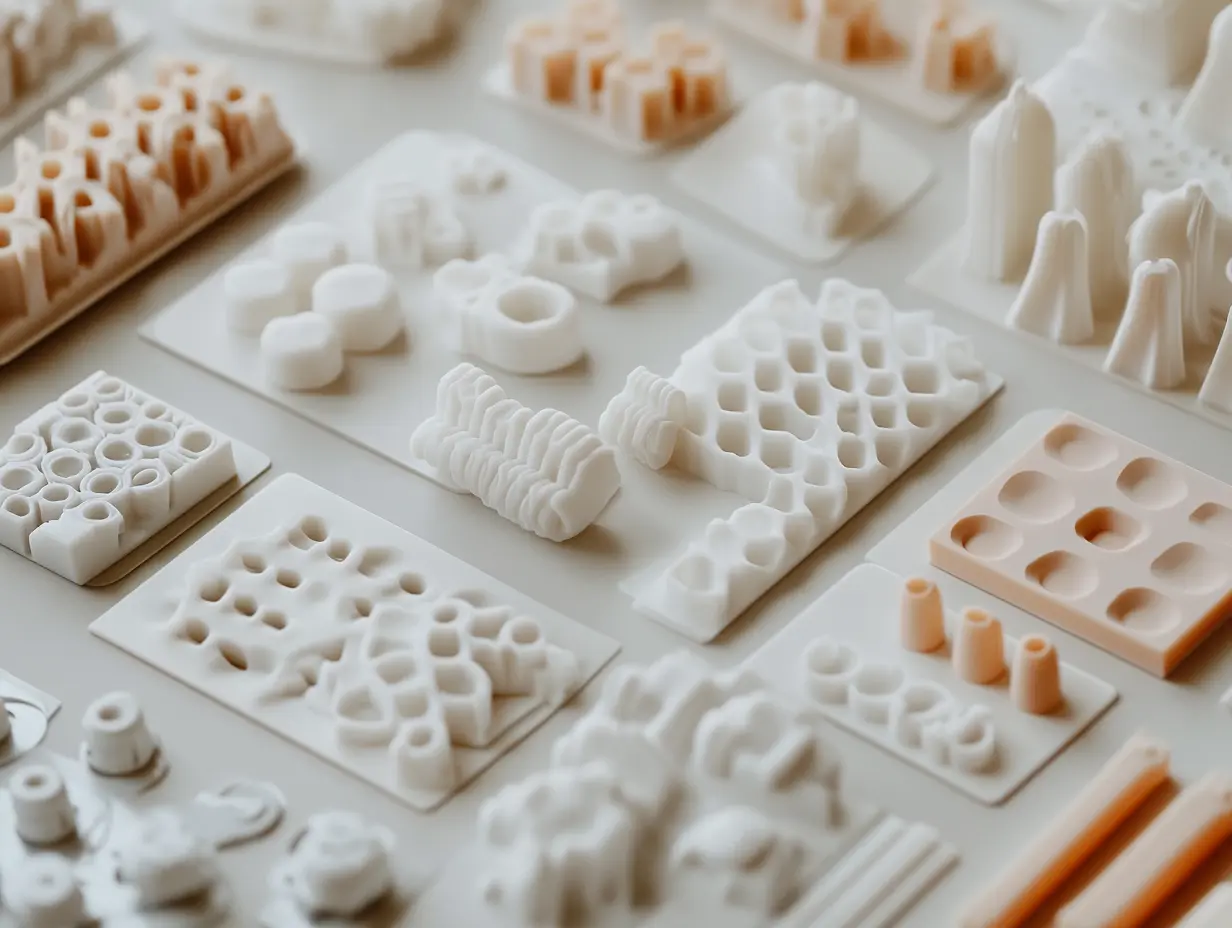
Highlighting the unrivaled design and customization flexibility compared to traditional manufacturing methods, it is also an injection molded product through powder injection molding (PIM). With the precision it brings for use in high-performance components, PIM becomes an essential part of industries like aerospace where complex detail and reliability are critical. Along with that, 3D printing technologies also enhance the advantages of injection molding by facilitating rapid prototyping so that manufacturers can quickly approve many design iterations, increasing efficiency and creativity. This complements each other in both injection and 3D printing to improve product development cycles while giving companies options that better serve their most complex demands with custom solutions previously not feasible through traditional manufacture.
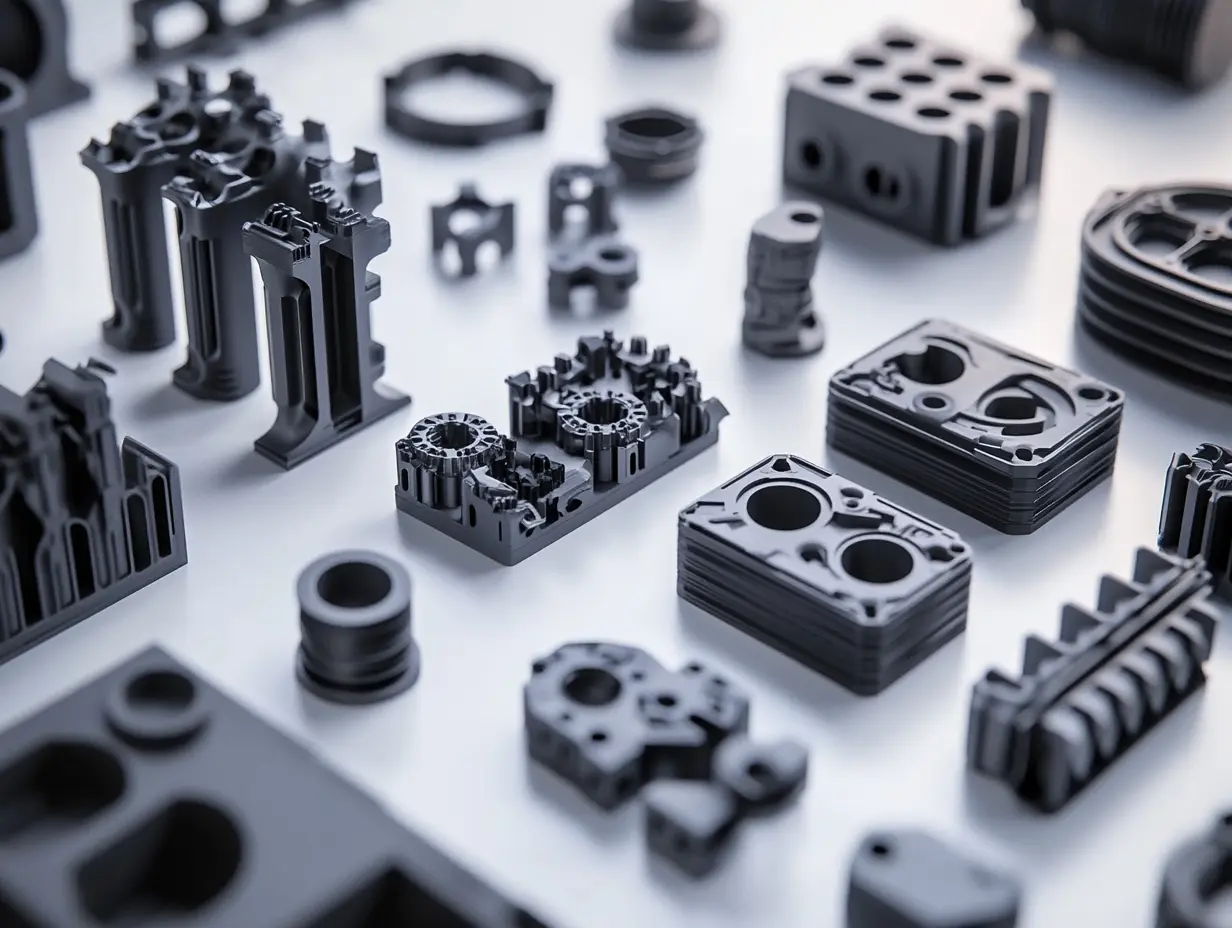
When it comes to precision and efficiency, injection molding clearly has an advantage in comparison to other conventional methods. In contrast to older techniques, which may involve a gradual assembly of the product from many steps and materials, injection molding produces complex shapes in one time-efficient operation. Hence injected molding reduces lead times and material waste, fitting in nicely with the current philosophies of sustainability and cost-effectiveness in manufacturing.
Injection molding is further enhanced by advancements such as 3D printing. The implementation of methods like conformal cooling optimizes temperature control during the production cycle, thus improving cycle times and part quality tremendously. With every industrial advance, the merger of innovative approaches continues to raise the bar for injection molding, ensuring its position as a viable option for manufacturing solutions.
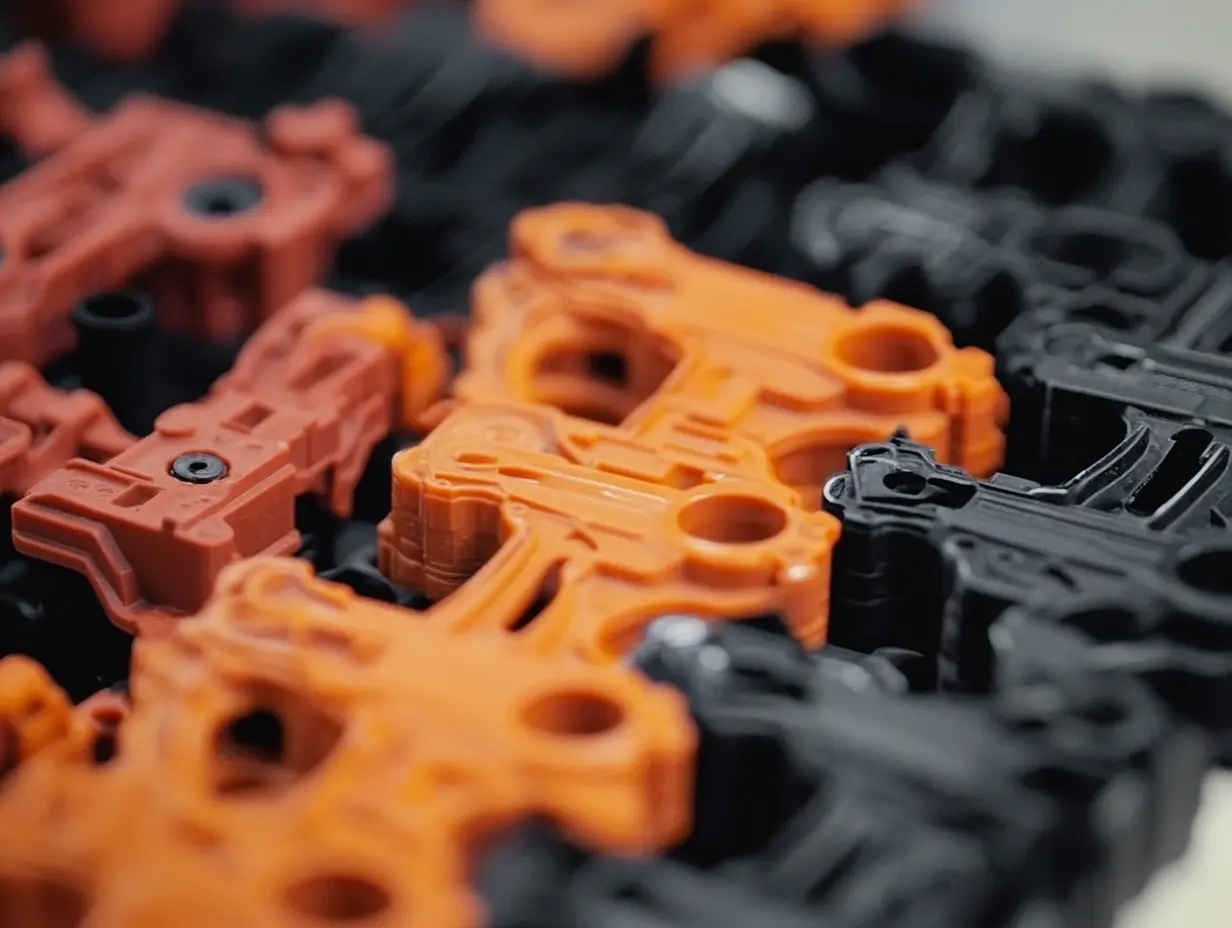
Injection molding has established itself as an economical manufacturing method, with advantages over traditional means. First, production costs have been reduced with injection molding because of its efficiency in terms of raw material waste during production. Injection molding is able to work with less material waste compared to additive manufacturing, which contributes directly to lower raw material costs. In addition, being such a time-efficient process, injection molding allows a company to achieve good part quantities in a short period, thus furthering the cause of overall cost efficiency.
Also, the advancement of injection molding processes, such as Freeform Injection Molding (FIM), allows such designs now to be conceived that would have been difficult to produce by traditional methods. This not only boosts quality but also allows the plausibility of producing custom parts economically. As firms search for reliable and economical manufacturing solutions, there will be an increase in preference for injection-molded products, establishing its relevance and acceptance in modern production strategies.
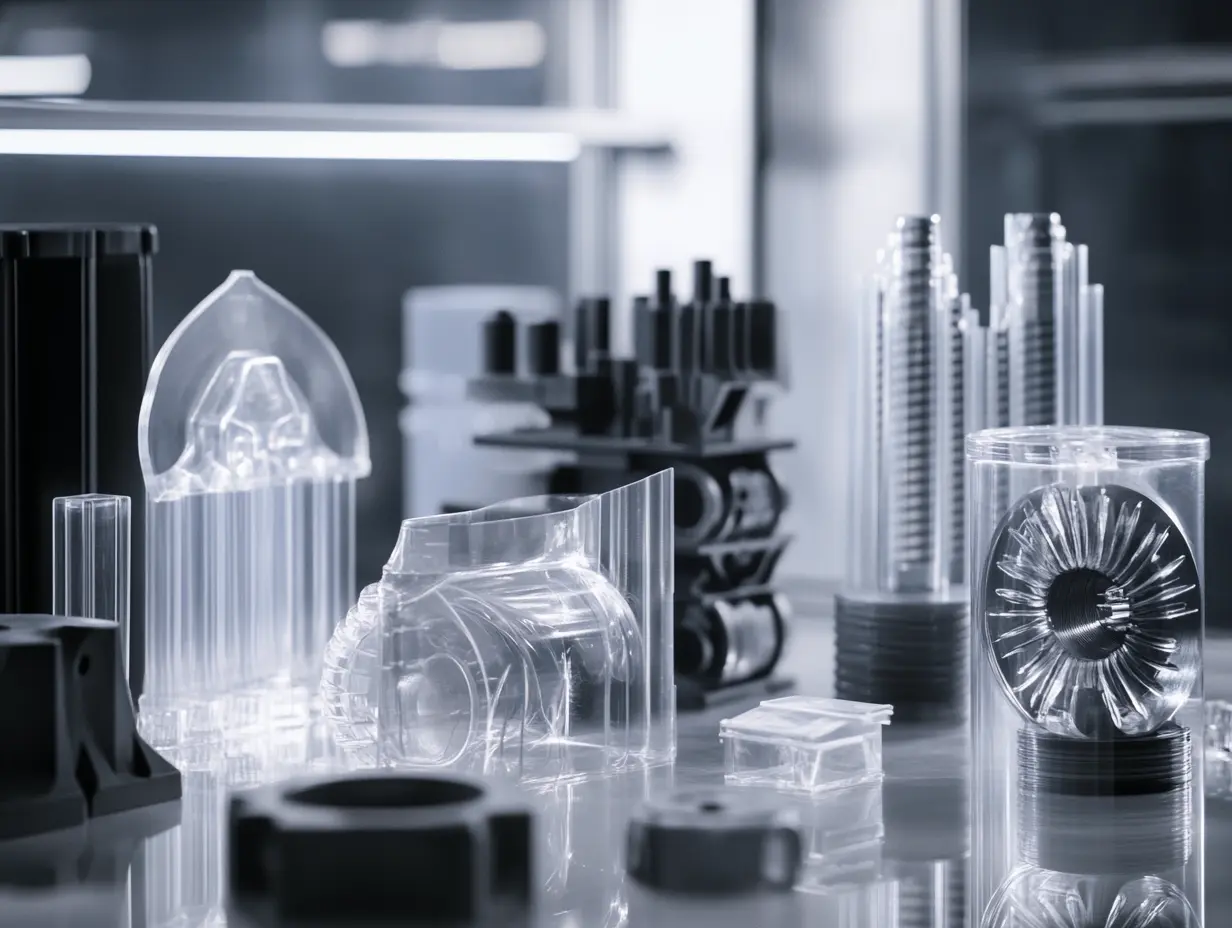
Injection molded products are quite advantageous over conventional manufacturing methods with regards to speed and scalability. Injection molding allows rapid production of parts for the manufacturer to meet high demand that comes with uncompromised quality. This speed and efficiency shorten lead times so that companies can respond to market changes and customer needs swiftly.
The scalability of injection molding also allows for mass production. As demand increases, manufacturers switch to production at a higher level by using multiple molds and machines in tandem. In comparison, traditional manufacturing processes might be difficult to apply during the scaling-up phase without incurring huge extra costs or owing additional time. In a world that has space only for speed and versatility, not much can be said in favor of other manufacturing options against injection molded products.
The advancement of manufacturing practices signifies a lot in sustenance and developing newer material choices, particularly in the area of injection molding. Among these is the aspect of metals into what it can do, which is obviously also scaled as a very sustainable process and, above all, an excellent manufacturing technology during the manufacture of medical devices. With the increasing demand for high-precision engineered devices, industries have turned to such processes that are modernistic and not only enhance the ability and efficiency but also minimization of environmental damage.
There are increasingly reports and studies that indicate the various environmental benefits from different approaches of modern manufacturing activities on the basis of 3D printing. For instance, parts produced from material jetting have been shown to yield a much smaller environmental impact compared to those manufactured with conventional methods. This means that such changes could be implemented as part of the broader global sustainability goals, alongside encouraging industries to usher in greener manufacturing. The option of using 3D printed injection molds would also be indicative of the wider picture, as they promise a cheaper solution without loss of performance, thus ushering in a more sustainable era of manufacturing.
Whatever the evolution in injected molding may be, 3D printing will certainly open more doors for this technology in an increasingly innumerable range of industries. Companies that are entering the additive manufacturing discovery process claim that these have proven ready to reduce production costs and cycle times, among other goodies, while keeping up with quality standards. A 3D printed mold performs sufficiently well against an aluminum mold with a significantly reduced cost and cycle time in the way it is produced.
An emerging trend-and-practice in the industry is two-shot molding, which gives the potential for multi-material part-casts in a single activity-all the more creating flexibility in product design and in answer to the ever-increasing demand for sophisticated parts from aerospace and medical devices. Technologically, there is much more to come in evolving digital molding systems, leaving always more hopes for innovation in injected molded products and for ingenious, leaner manufacturing solutions in the near future.
Injection molding can promise an accepted standard of quality control and precision, which is very important in many industries. With the progress of modern technologies, such as 3D printing, manufacturers are capable of much better results. The use of 3D-printed injection molds has a big cost advantage while producing items at performance levels that compare with those of traditional aluminum molds. This innovation not only reduces the time for production but also provides avenues for quick prototyping and customization.
The result has been the enhancement of quality assurance processes with algorithms for the detection of defects in injection-molded parts. Such technologies allow manufacturers to detect and rectify imperfections early in the production cycle. Besides that, conformal cooling is changing the injection molding world, adding efficiency and product quality to it. The combination of conventional techniques and modern advances depicts the manufacturing industry's transformation, underlining the tremendous advantages of injected molded products.
The injection molding process itself has influenced industries in greater measure due to the efficiency and accuracy provided, far beyond any subset of manufacturing. Injection molded products lend themselves well to the automotive, consumer goods, and medical device industries, where low-cost, high-volume production of complex designs is a requirement. Consistent quality and fast turnaround are vital in a fast-changing world and become possible through this technology.
With the advent of technologies such as two-shot molding and integrated additive manufacturing, the capabilities of injection molding have grown further. These innovations enable a broader range of applications, including lightweight composite structures that respond to the growing demand for sustainable and efficient materials. As industries continue to look for advantages with these new techniques, it will be interesting to watch injected molded products gain traction across a wider range of sectors.
Development of April 8 Standard serves many advantages but also has challenges which manufacturers have to deal with-produce very precise components in production-in aerospace-type industries, component accuracy is a critical concern. Digital molding and other advancements in technology are gradually increasing the efficiency of very complex part production. But the prohibitive costs of setup and the long learning curve of these processes could become a severe hindrance.
Another challenge is checking for injection-molded part quality and defects. The need for lightweight components are cost-effective even more now, and industries should develop alternative methods to maximize the chance of meeting these very high standards. Additive manufacturing technique coupling with traditional approaches would allow rapid prototyping and iterative design cycles. In total, these factors that bear directly on the transition process must guide the manufacturers in making an optimum choice to prevent threats and drive productivity.
The advantages of this modern technique are compounded over the use of any traditional methods of manufacturing with injected molded products. The intricate designs made with high efficiency have been made possible with new advanced techniques such as micro precision 3D printing. This precision leaves much room for the manufacture of tiny detailed components such as in the case of medical devices, whereby measurement accuracy becomes highly critical.
The two-shot molding technique makes it possible to synthesize parts that have more complex functional capabilities into just a single process. By mixing different materials, manufacturers are able to achieve better durability and performance characteristics while pushing the design limits even further. The actual conformal cooling in injection molding is another innovative improvement for better overall efficiency and quality of the process, indicating how the new technology can alter the premise of molded product designs. These would eventually work towards making further improvements to the benefits that injected molded products have to offer, consigned to carry new weight in several industries.
Injection molded products offer significant advantages such as high production speed and scalability, allowing manufacturers to meet high demand efficiently without compromising on quality.
Injection molding allows for easy scaling of production by using multiple molds and machines simultaneously, while traditional manufacturing often struggles to scale up without incurring substantial additional costs or time.
Recent advancements include the use of metal injection molding as a sustainable solution, especially in medical device manufacturing, and the adoption of eco-friendly practices such as 3D printing to reduce environmental impact.
3D printing methods, like material jetting, have been shown to produce components with a smaller environmental footprint compared to traditional manufacturing, which aligns with global sustainability goals.
Key challenges include the need for high precision in production, initial setup costs, and a learning curve associated with new technologies such as digital molding.
Quality control is crucial to ensure that injection molded parts meet high standards, especially as industries demand lightweight and cost-effective components.
Additive manufacturing can facilitate rapid prototyping and iterative design processes, complementing traditional methods to enhance efficiency and product quality.
As market demand increases, the efficiency and scalability of injection molding positions it favorably for manufacturers to respond swiftly to customer needs and market changes.
The initial setup costs can pose significant barriers for manufacturers looking to transition to injection molding, making careful evaluation essential to minimize risks.
Manufacturers can invest in advanced technologies and robust algorithms to improve precision and quality control in the production of injection molded components.