What is cast stainless steel and its uses?
cast stainless steel is a remarkable material with unique properties. It combines the strength of stainless steel with the intricate designs achievable through casting. This makes it ideal for a variety of applications. Engineers and designers often choose cast stainless steel for its durability and resistance to corrosion.
The casting process allows for complex shapes that are difficult to achieve with other methods. This versatility enables its use in industries like aerospace and medical equipment. However, despite its advantages, cast stainless steel may not always meet every requirement. It can be costlier than other types of stainless steel. Also, the finishing process can require extra attention.
Understanding the uses of cast stainless steel helps in making informed choices. While it is excellent for many applications, careful evaluation is crucial. Some may overlook the potential downsides, leading to challenges. Innovative designs should weigh durability against cost and practicality. Exploring cast stainless steel offers both opportunities and a chance to rethink traditional materials in design.
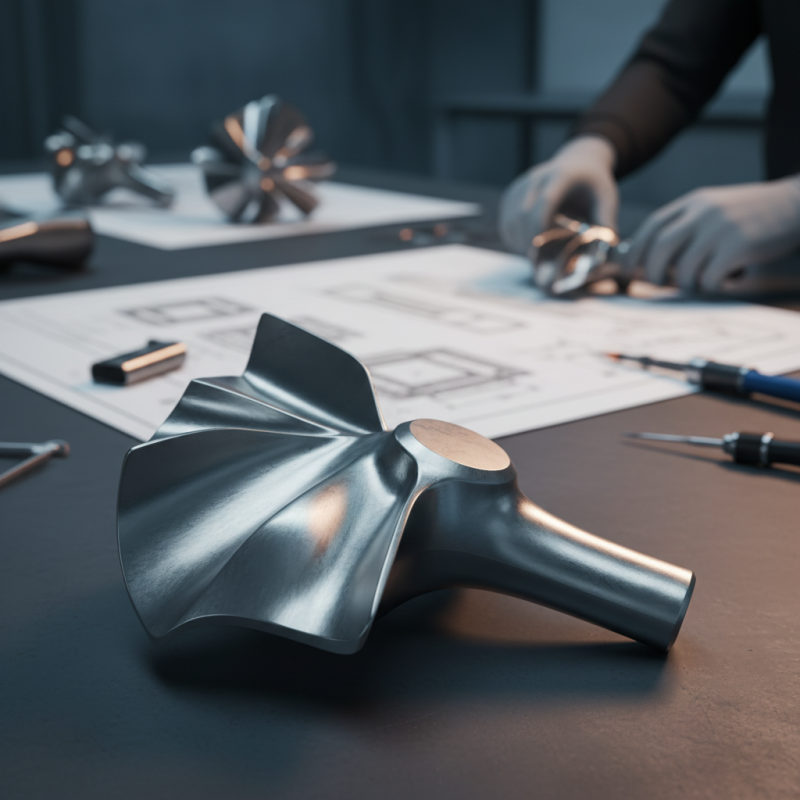
Definition and Composition of Cast Stainless Steel
Cast stainless steel is a unique alloy known for its durability and resistance to corrosion. It consists mainly of iron, chromium, and nickel. The chromium content gives it its stainless properties, while nickel enhances its toughness. This combination allows cast stainless steel to withstand harsh environments and mechanical stress.
The process of creating cast stainless steel involves melting the alloy and pouring it into molds. This method allows for complex shapes that would be difficult to achieve with other steel types. Cast stainless steel finds applications in various industries. It's commonly used in plumbing fixtures, kitchen equipment, and marine components. Its ability to resist rust makes it ideal for outdoor use.
However, the production of cast stainless steel is not without challenges. The melting process can be energy-intensive. Fluctuations in ingredient quality may affect the final product. Moreover, achieving the right balance between strength and corrosion resistance can be tricky. Engineers must constantly evaluate the material's performance under different conditions. This process highlights the ongoing need for innovation in material science.
What is Cast Stainless Steel and Its Uses?
| Parameter | Details |
| Definition | Cast stainless steel is a type of stainless steel that is manufactured by pouring molten steel into a mold to create a desired shape and size. |
| Composition | Typically contains iron, chromium (at least 10.5%), nickel, and other alloying elements like molybdenum or copper. |
| Properties | Corrosion resistance, high durability, good mechanical properties, and excellent aesthetic appeal. |
| Common Grades | Austenitic stainless steels (e.g., 316), Ferritic stainless steels (e.g., 430), and Martensitic stainless steels (e.g., 410). |
| Uses | Used in automotive parts, kitchen equipment, industrial containers, surgical instruments, and architectural applications. |
| Advantages | High strength, excellent fabrication properties, resistance to oxidation and high temperatures. |
| Disadvantages | More expensive than carbon steel, can be difficult to weld, and may require specific surface treatment for optimal performance. |
Manufacturing Process of Cast Stainless Steel
The manufacturing process of cast stainless steel involves several key steps. First, raw materials like iron, nickel, and chromium are melted in an electric arc furnace. This creates a molten alloy. The temperature must be closely monitored. A slight error can compromise the steel's quality.
Next, the molten steel is poured into molds. These molds shape the final product. Precision is crucial here. Any imperfections can lead to weak spots in the finished piece. After cooling, the cast item may require machining. This process ensures dimensions are exact. Sometimes, flaws appear during casting. This can create challenges in achieving the desired strength.
Lastly, the cast stainless steel undergoes heat treatment. This step enhances its mechanical properties. Yet, achieving the perfect balance of toughness and ductility is tricky. It's a constant learning process for manufacturers. Each batch can behave slightly differently. Continuous improvement is essential to overcome these challenges.
Properties and Characteristics of Cast Stainless Steel
Cast stainless steel combines high tensile strength with excellent corrosion resistance. Its unique properties make it suitable for various applications. The material contains iron, chromium, and nickel, which contribute to its durability.
Cast stainless steel typically features a composition with 10-30% chromium, enhancing its resistance to oxidation. This is crucial in harsh environments, particularly in industrial settings.
The casting process allows for complex shapes and structures. This attribute is valuable in the manufacturing of components like pumps, valves, and fittings. According to a report by the International Stainless Steel Forum, global production of cast stainless steel components reached over 1 million tons in 2021. This increasing demand reflects its versatility and reliability. However, challenges such as high production costs and variability in quality remain concerns for manufacturers.
While cast stainless steel is robust, it can be prone to pitting and crevice corrosion if not properly maintained. Factors like temperature fluctuations and chemical exposure can exacerbate these issues. Regular inspections are needed to ensure longevity. Industry data suggests that approximately 15% of stainless steel failures result from inadequate maintenance. A proactive approach is essential to mitigate risks and ensure optimal performance in applications where cast stainless steel is utilized.
Common Applications of Cast Stainless Steel in Various Industries
Cast stainless steel is an alloy known for its corrosion resistance and durability. Its versatility extends across various industries. In the automotive sector, cast stainless steel components are vital. They endure extreme temperatures and pressures. According to industry reports, about 25% of automotive parts use stainless steel. These parts include exhaust systems, which are crucial for vehicle performance.
In the construction industry, cast stainless steel is employed for architectural elements. Handrails, staircases, and even structural supports benefit from its strength and aesthetic appeal. Reports indicate that around 15% of modern buildings incorporate stainless steel in their designs. These applications enhance longevity but can present maintenance challenges.
The food and beverage industry also heavily relies on cast stainless steel. Equipment such as tanks, piping, and processing tools are commonly made from this material. This environment requires strict hygiene standards. A significant 30% of production equipment in this sector is stainless steel. While its advantages are clear, the high costs can be a barrier for smaller businesses. Balancing quality and budget remains a challenge for many.
Advantages and Disadvantages of Using Cast Stainless Steel
Cast stainless steel is widely used in construction and manufacturing. This material offers unique benefits but also presents some challenges.
One advantage of cast stainless steel is its resistance to corrosion. This property makes it ideal for marine environments or chemical processing. The durability of cast stainless steel provides long-lasting performance, even in harsh conditions. However, it can be more expensive than other types of steel. This cost factor should be carefully considered when budgeting for projects.
Another aspect to consider is its complexity in casting. The process can lead to defects or inconsistencies if not managed well. Attention to detail is crucial to ensure quality. Slight imperfections can affect performance, leading to costly repairs.
Tips: When choosing cast stainless steel, assess the specific requirements of your application. Consider the environment where it will be used. Ensure proper quality control during the casting process to minimize defects. Regular inspections can help catch potential issues early.
Cast Stainless Steel Uses and Properties