How to Choose the Best Kids Toy Brands for Your Child
Choosing the right toys for children involves careful consideration of Kids Toy Brands. Parents often seek quality and safety in their selections. According to a 2022 industry report by Statista, the global toy market is projected to reach over $120 billion by 2025. This highlights the importance of making informed decisions.
Many brands claim to be the best, but not all live up to expectations. Safety is crucial; nearly 40% of toy recalls each year arise from hazardous materials or designs. Parents must look beyond marketing claims to find truly safe options. Not every beloved brand guarantees quality or compliance with safety standards.
Toys should encourage creativity and development. However, with so many options, it’s easy for parents to feel overwhelmed. Engaging in local parenting groups can help share experiences and recommendations. Balancing brand reputation with personal values takes time and thought. It is vital to reflect on what truly matters for your child's development and health.

Understanding Your Child's Developmental Needs in Toy Selection
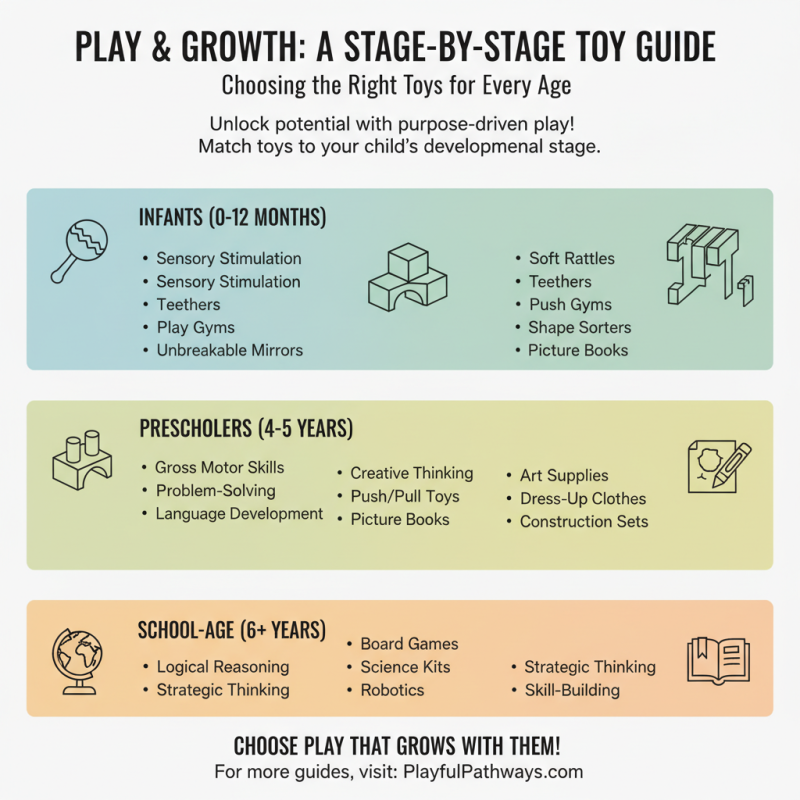
Choosing toys for children can be challenging. Each child develops differently, and their needs change as they grow. Understanding these developmental stages is vital for selecting the right toys. For toddlers, simple toys that encourage motor skills are essential. Blocks or stacking toys can be great for hand-eye coordination.
As children enter preschool, they crave more creative play. Art supplies or building sets can spark imagination and problem-solving skills. Names of toys matter less than the experiences they provide. Interactive toys can boost social skills as well. However, not every child responds the same way. Some may lose interest quickly, while others dive deep into imaginative play.
It’s also crucial to consider safety and durability in toys. Some toys break easily, posing risks. Reflecting on your child's preferences can help. Perhaps they love animals or vehicles. Selecting toys that spark their interests can foster a love for learning. Still, it’s okay for parents to make mistakes. A toy that seemed perfect may not engage your child as expected. Trial and error can guide better choices.
Researching Popular and Trusted Kids Toy Brands
When researching popular and trusted kids' toy brands, parents often face overwhelming choices. Market data shows that over 70% of parents prioritize safety and educational value when making decisions. Toys that stimulate creativity and learning tend to hold a higher appeal. For instance, interactive toys that encourage problem-solving can significantly boost cognitive development in children.
Online reviews and expert recommendations play a crucial role in identifying reliable brands. Surveys indicate that 65% of consumers trust online ratings and testimonials more than advertisements. Parents should delve into platforms that aggregate user experiences and safety reports. This can help in identifying potential issues with toys before purchasing. Brands with transparent manufacturing processes and safety certifications often inspire greater confidence.
While many popular brands are favorites, it's essential to examine their commitment to sustainability and ethical production. Some companies still use harmful materials, which can pose risks. Recent studies have pointed out that over 30% of parents are wary of unverified brands. Therefore, meticulous research and mindfulness are key. Investing time to understand a brand's practices may lead to more informed choices that benefit not just the child, but the planet.
Choosing the Right Toy for Each Age Group
This bar chart displays the popularity score of toys among different age groups. Understanding these scores helps parents make informed decisions when selecting toys suitable for their child's age.
Considering Age Appropriateness and Educational Value of Toys
When choosing toys for children, age appropriateness is crucial. Different toys suit varying developmental stages. For toddlers, soft toys or simple puzzles enhance coordination. Meanwhile, older kids may benefit from building sets that encourage problem-solving skills. It's vital to check age recommendations on packaging. This helps prevent safety issues and ensures the toy engages your child's interest.
Educational value also plays a significant role. Some toys teach numbers, letters, or even basic science concepts. For example, interactive learning games boost critical thinking. However, not all toys labeled "educational" are truly beneficial. Some may oversimplify learning, lacking depth. Take time to evaluate if the toy genuinely enhances skills or just entertains. Trust your instincts and be willing to adapt choices as your child's interests evolve.
How to Choose the Best Kids Toy Brands for Your Child - Considering Age Appropriateness and Educational Value of Toys
| Toy Type |
Recommended Age |
Educational Value |
Safety Rating |
| Building Blocks |
3+ |
Creativity, Fine Motor Skills |
A+ |
| Educational Games |
5+ |
Problem Solving, Critical Thinking |
A |
| Art Supplies |
4+ |
Creativity, Expression |
A+ |
| Science Kits |
8+ |
STEM Learning, Experimentation |
B+ |
| Puzzles |
3+ |
Problem-Solving, Patience |
A |
| Role Play Toys |
3+ |
Social Skills, Imagination |
A+ |
Reading Reviews and Feedback from Other Parents on Toy Brands
When choosing toys for your child, feedback from other parents can be invaluable. Parents share their experiences online, providing insight into which brands stand out. Reading through reviews can help you understand safety, durability, and fun factors. Explore forums where parents discuss their favorites. Look for patterns in their feedback. You might learn about a toy's hidden features or the fun kids have while playing.
Tip: Pay attention to ratings. Look for toys that consistently receive high marks. But don’t ignore the negative reviews, either. They can highlight potential issues. A toy may have great reviews overall, but one or two bad ones could indicate a problem for your child.
Kids have varied interests. One child loves building blocks, while another prefers art supplies. Feedback from parents can guide you in making a choice. Sometimes, a well-reviewed toy may not ignite your child's imagination. Reflections from other parents can help you find that perfect match. Think about your child's unique preferences and sensitivities.