How to Choose the Best Portable Bluetooth Wireless Speaker?
Choosing the right Portable Bluetooth Wireless Speaker can be challenging. With so many options available, it’s easy to feel overwhelmed. Different speakers offer unique features, and understanding these can impact your decision.
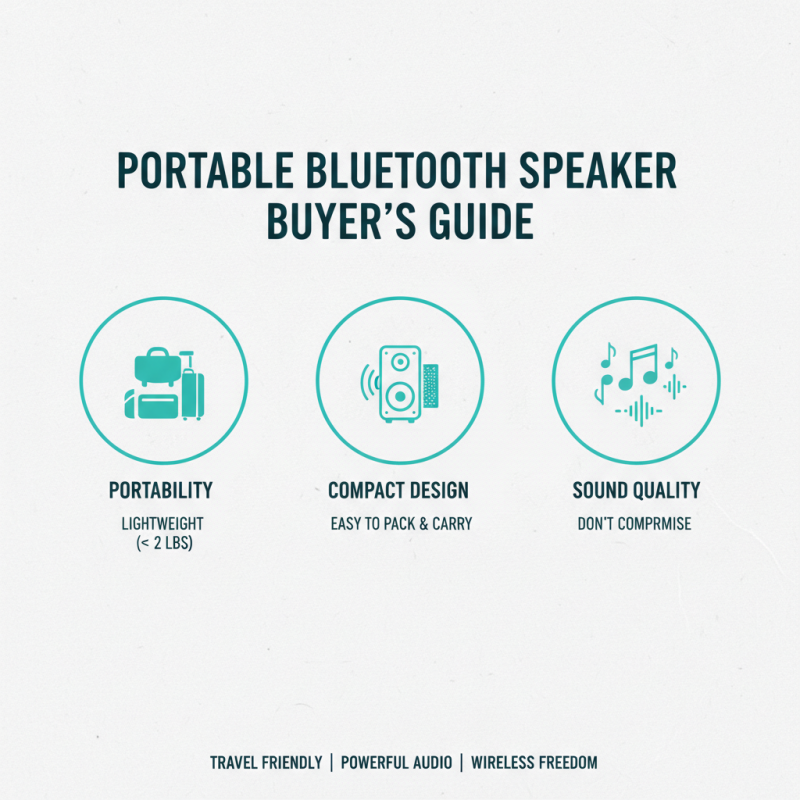
Consider your intended use. If you want something for outdoor activities, look for durability and water resistance. Portability also matters; a compact size can enhance mobility. Battery life is crucial too. A longer-lasting battery ensures your music plays throughout the day.
Think about sound quality as well. Some models excel in bass while others offer a balanced sound. However, speakers that sound great in store may not always perform the same at home. Testing them in different environments can uncover hidden issues. There is no perfect choice; each Portable Bluetooth Wireless Speaker has strengths and weaknesses to weigh.
Understanding Bluetooth Speaker Types and Features
When exploring Bluetooth speaker types, understanding features is crucial. Portable Bluetooth speakers come in various forms, from compact models to rugged versions. A 2022 report from Statista indicated that the global wireless speaker market is expected to reach $20 billion by 2025. Size matters, as smaller speakers typically offer less bass but still provide decent sound quality.
Battery life is another important feature. Many portable speakers last between 6 to 20 hours on a single charge. However, users often find statistics misleading. A speaker advertised for 12 hours may only last 8 hours at high volumes. Connectivity options are equally significant. Most speakers use Bluetooth 5.0 for improved range and stability. Yet, it’s worth noting that some speakers struggle to maintain a strong connection in crowded areas.
Water resistance can make or break a purchase, especially for outdoor use. The IP rating system helps buyers gauge suitability. Speakers rated IPX7 can be submerged in water for short durations, providing peace of mind. However, many consumers overlook this detail, leading to potential disappointment during rainy outings. Overall, making the right choice requires careful consideration of both features and personal needs.
Bluetooth Speaker Features Comparison
This bar chart illustrates the ratings of various Bluetooth speaker features based on user preferences. The features include Sound Quality, Battery Life, Portability, Water Resistance, and Price, each rated on a scale of 10.
Evaluating Sound Quality and Battery Life
When evaluating portable Bluetooth speakers, sound quality is crucial. Look for a speaker that offers a balanced audio experience. Bass, mids, and highs should blend seamlessly. Check reviews to see how different speakers perform in various settings. Some may excel indoors but falter outdoors. This inconsistency can impact your enjoyment.
Battery life is another vital factor. A speaker that lasts for hours makes your outings more enjoyable. However, longer battery life often means larger size. There's a trade-off between portability and playtime. Pay attention to charging times too. A speaker that takes forever to charge might leave you frustrated.
Consider your listening habits. Will you use it mainly at home or on the go? Your needs will influence your choice. Some speakers look great but sound mediocre. It’s important to test before you buy. Ultimately, a good speaker should meet your specific needs, not just impress with numbers. Always reflect on what you value most in a speaker.
Exploring Connectivity Options and Compatibility
Choosing a portable Bluetooth speaker involves understanding its connectivity options. Many speakers connect via Bluetooth, which is convenient. However, it’s worth noting that Bluetooth can sometimes disconnect unexpectedly. Interference from other devices can also weaken the signal. Look for speakers that offer various connectivity options, including aux-in ports and USB connections.
Compatibility matters too. Confirm the speaker works with your devices. Some speakers may not pair easily with older models. This can be frustrating if you're eager to use it right away. Additionally, check for codec support. Certain audio codecs can enhance sound quality. But keep in mind that not all devices utilize them. This leads to varied listening experiences.
Battery life is another consideration. A longer battery means less interruption. Some users forget to charge their speakers regularly. This can be a hassle during outings. Choosing a device with decent battery performance can enhance usability. Remember to think about where and how you'll use the speaker. This will influence your connectivity needs and compatibility choices.
How to Choose the Best Portable Bluetooth Wireless Speaker? - Exploring Connectivity Options and Compatibility
| Feature |
Details |
| Bluetooth Version |
5.0 |
| Battery Life |
10 hours |
| Water Resistance |
IP67 |
| Connectivity Options |
Bluetooth, AUX, USB-C |
| Compatibility |
iOS, Android, Windows |
| Weight |
0.75 kg |
| Audio Output |
20 Watts |
| Extra Features |
Voice Assistants, Speakerphone |
Budgeting and Brand Reputation in Bluetooth Speakers
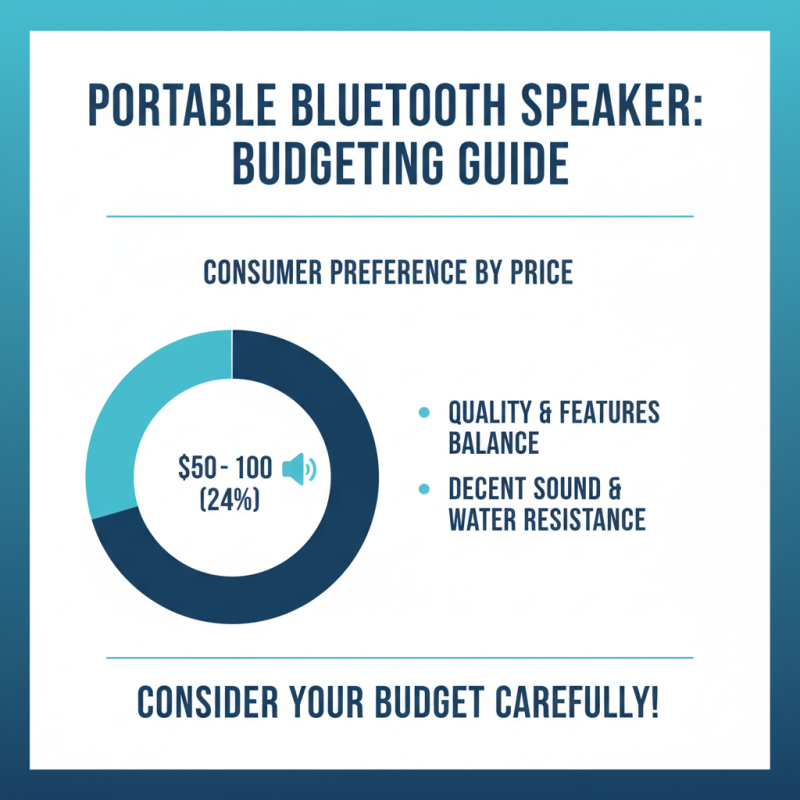
When selecting a portable Bluetooth speaker, budgeting is crucial. Industry reports indicate that around 24% of consumers prefer spending between $50 and $100. This price range typically provides a balance of quality and features. Speakers in this category often provide decent sound output and some level of water resistance. Any consumer must consider their budget carefully before buying.
Brand reputation plays a significant role in purchasing decisions. According to a study, 70% of buyers trust brands with a solid market presence. This trust often translates into a willingness to spend more. However, brand names do not always guarantee superior quality. Emerging brands may offer comparable sound quality at lower prices. It is essential to weigh the reputation of a brand against actual product performance.
Reviews can be mixed and confusing. Some products with high ratings may not deliver in real-world situations. In some cases, buyers might experience buyer's remorse. Objective testing and user feedback should always complement brand loyalty. Prices can fluctuate frequently, and watching for deals can lead to savings without sacrificing quality. Reflecting on these factors helps ensure a satisfactory purchase.