10 Essential Tips for Choosing the Perfect Grip Hair Clips for Every Hair Type
When it comes to styling and managing hair, choosing the right accessories can make all the difference. Grip hair clips have emerged as a versatile tool suitable for a variety of hair types, from straight and fine to thick and curly. With so many options available on the market, it can be overwhelming to select the perfect clips that not only hold your hair securely but also enhance your overall look. This guide will provide you with essential tips to help you navigate the selection process, ensuring that you find the ideal grip hair clips tailored to your specific needs.
Understanding the unique characteristics of your hair type is crucial in determining which grip hair clips will work best for you. The right clips can provide support and hold without causing damage or discomfort. Furthermore, considering factors such as the size, material, and design of the clips will enable you to make a more informed choice, elevating your hair styling game. As we explore the top tips for selecting grip hair clips, you'll gain insight into how to match clips with your hair's needs, resulting in a practical yet stylish addition to your hair care routine.
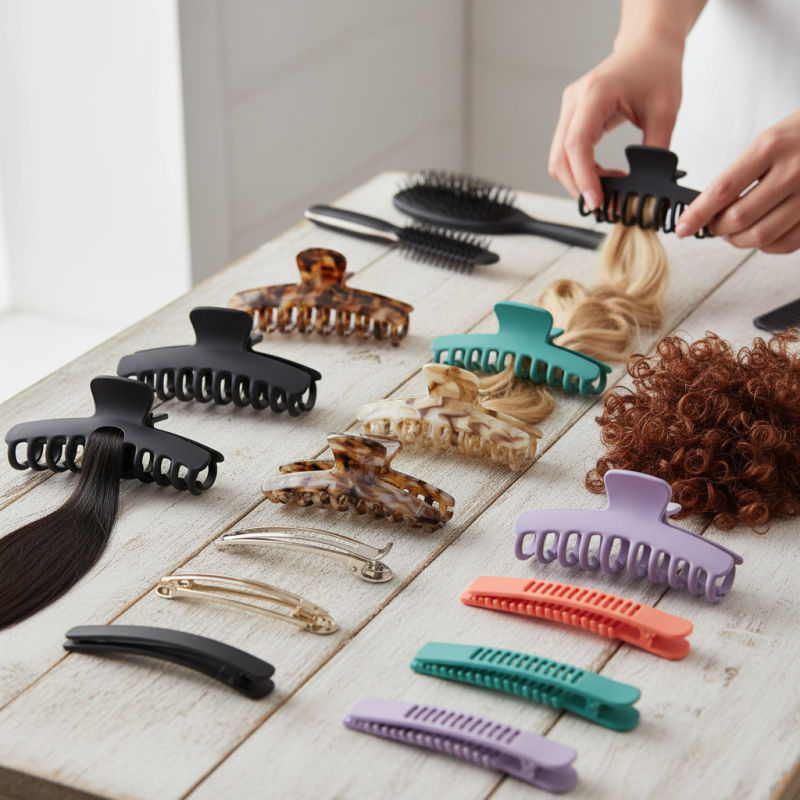
Understanding Different Hair Types: A Guide to Choosing Grip Clips
When it comes to choosing the perfect grip hair clips, understanding the different hair types is crucial. According to a recent study from the Professional Beauty Association, the texture and thickness of hair can significantly influence the type of hold required from clips. For instance, individuals with fine or straight hair often benefit from clips that are lightweight and have a softer grip, as heavy or overly strong clips may lead to discomfort and slipping. In contrast, those with thick or curly hair should look for more robust clips designed to handle bulk and provide a secure hold.
Moreover, research from the International Journal of Cosmetic Science suggests that the distribution of hair density—ranging from low to high density—also affects clip choice. Low-density hair may require clips with a wider grip area to prevent them from slipping out, while high-density hair can accommodate clips with a firmer grip to manage the weight more effectively. Additionally, some materials may be more suitable for certain hair types; for example, silicone-coated clips are ideal for preventing breakage in delicate hair, making them a wise choice for individuals with damaged or brittle strands. Understanding these nuances helps consumers make informed decisions, ensuring that their grip clips serve both functional and aesthetic purposes.
Material Matters: Selecting the Right Grip Hair Clip for Your Needs
When selecting the ideal grip hair clips, the material from which they are made plays a crucial role in their effectiveness and suitability for different hair types. Generally, hair clips can be crafted from plastic, metal, or rubber, each offering unique benefits. Plastic clips are lightweight and versatile, making them a popular choice for everyday styling. However, they may not be the best option for thick or heavy hair, as they can slip out more easily than clips designed for added grip.
In contrast, metal clips are known for their sturdiness and ability to hold hair securely, which is particularly beneficial for those with thick or textured hair. Additionally, rubberized clips provide excellent grip without causing unnecessary tension or damage to the hair. This can be especially important for individuals trying to avoid breakage or discomfort during styling. Ultimately, understanding the specific needs of your hair type, including its thickness and texture, can help you make an informed decision when selecting the right grip hair clip to ensure both functionality and style.
Size and Design: How Dimensions Affect Grip and Hold
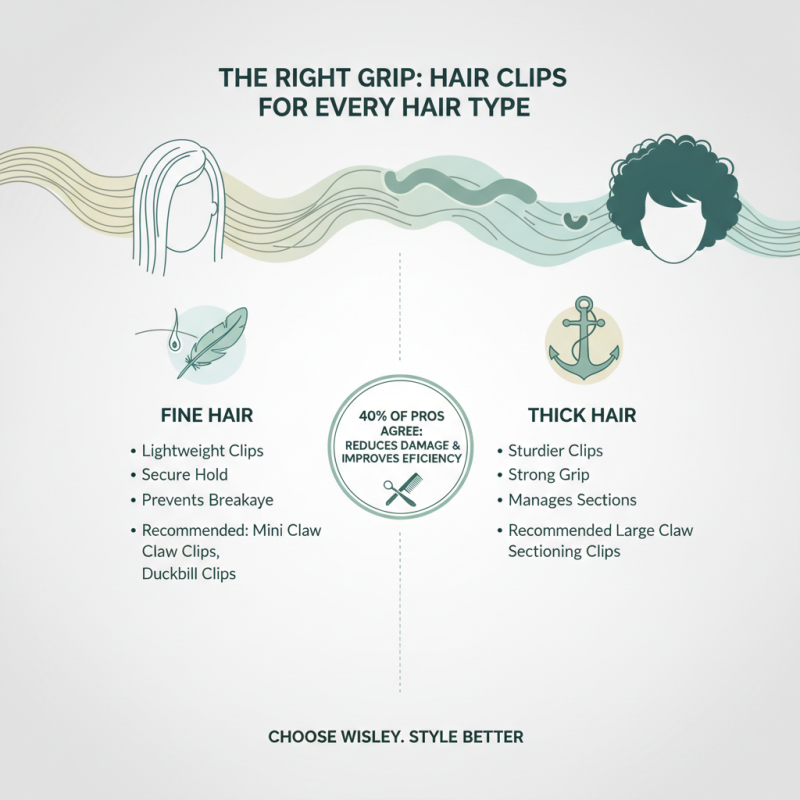
When selecting the perfect grip hair clips, understanding the size and design is crucial, as these factors directly influence the grip and hold on different hair types. Larger clips are generally better suited for thick or voluminous hair, as they provide the necessary strength to grip and secure larger sections effectively. On the other hand, smaller clips work optimally for fine or thin hair, ensuring that the hold is strong without risk of slipping, which can be a common concern for those with less hair density.
Additionally, the design elements of the clips, such as the shape and the material used, also play a significant role in their performance. For instance, clips with a textured surface or grip-enhancing features can offer extra security and prevent hair from slipping out. Smooth or simple designs may be preferable for delicate hairstyles or softer looks, allowing the clips to blend seamlessly with the hair. Overall, taking into account both the size and design of hair clips can significantly enhance how well they function, ensuring that you achieve a practical yet stylish hairstyle suitable for any occasion.
10 Essential Tips for Choosing the Perfect Grip Hair Clips for Every Hair Type - Size and Design: How Dimensions Affect Grip and Hold
| Hair Type |
Recommended Clip Size |
Design Considerations |
Grip Strength Rating (1-5) |
Ideal Use Cases |
| Fine Hair |
Small to Medium |
Lightweight and non-slip |
3 |
Daily wear, updos |
| Thick Hair |
Medium to Large |
Strong hold and wide teeth |
5 |
High buns, thick ponytails |
| Curly Hair |
Medium |
Flexible yet secure design |
4 |
Half-up styles, casual looks |
| Straight Hair |
Small to Medium |
Sleek designs with good grip |
4 |
Work, events |
| Wavy Hair |
Medium |
Allow waves to flow, secure but gentle |
3 |
Casual outings, beach days |
Professional Tips: Recommendations from Hair Stylists on Grip Clips
When it comes to hair styling, the right grip hair clips can make all the difference, especially considering the diversity of hair types. Hair stylists recommend selecting clips based on hair texture and thickness. For instance, fine hair typically requires lightweight clips that provide a secure hold without causing breakage, while thicker, coarser hair benefits from sturdier clips that can withstand heavier sections. According to a recent industry report, approximately 40% of hair professionals believe that using the appropriate grip type can significantly reduce hair damage and improve styling efficiency.
Moreover, the design of the clip plays a crucial role in functionality. Stylists frequently suggest opting for clips with a non-slip grip feature, particularly for those with wavy or curly hair, as this prevents slippage and helps maintain the desired style throughout the day. A survey conducted among hairstylists found that 65% prefer clips with a textured grip for managing unruly locks. Additionally, the color and finish can influence not just aesthetics but also the visibility of the clips in various lighting, making some styles easier to handle during professional sessions.
In essence, understanding individual hair needs and applying expert recommendations can lead to a smarter choice in grip hair clips. By taking into account factors such as hair texture and the specific functions required, individuals can enhance their styling routines and achieve better results.
Comparative Analysis: Top Grip Hair Clip Brands and Their Features
When selecting the perfect grip hair clips, understanding the various features offered by different brands is crucial. Different clips cater to unique hair types and styling needs. For instance, certain brands offer clips with enhanced grip mechanisms designed for thick or curly hair, ensuring that the clips hold securely without slipping. On the other hand, some brands focus on lightweight designs that are ideal for fine or thin hair, preventing damage and breakage while still providing adequate support.
Another important aspect to consider is the material used in the construction of grip hair clips. Many brands utilize durable plastics or metal, with some incorporating rubberized surfaces to enhance grip. This aids in reducing slippage throughout the day. Additionally, features such as non-slip teeth or flexible hinges can make a significant difference in comfort and effectiveness. Understanding these variances across brands allows consumers to make informed choices that not only match their hair type but also suit their personal style and functional preferences.
Grip Hair Clips Comparison: Features Across Different Hair Types