Top Kids Toy Brands That Are Popular Today?
The toy industry is a dynamic landscape, where top Kids Toy Brands emerge and evolve rapidly. According to a recent report by the Toy Industry Association, the market grew by 19% in 2022, driven by innovative products and diverse consumer interests. Key players like Lego, Hasbro, and Mattel continue to dominate, but niche brands are also gaining traction.
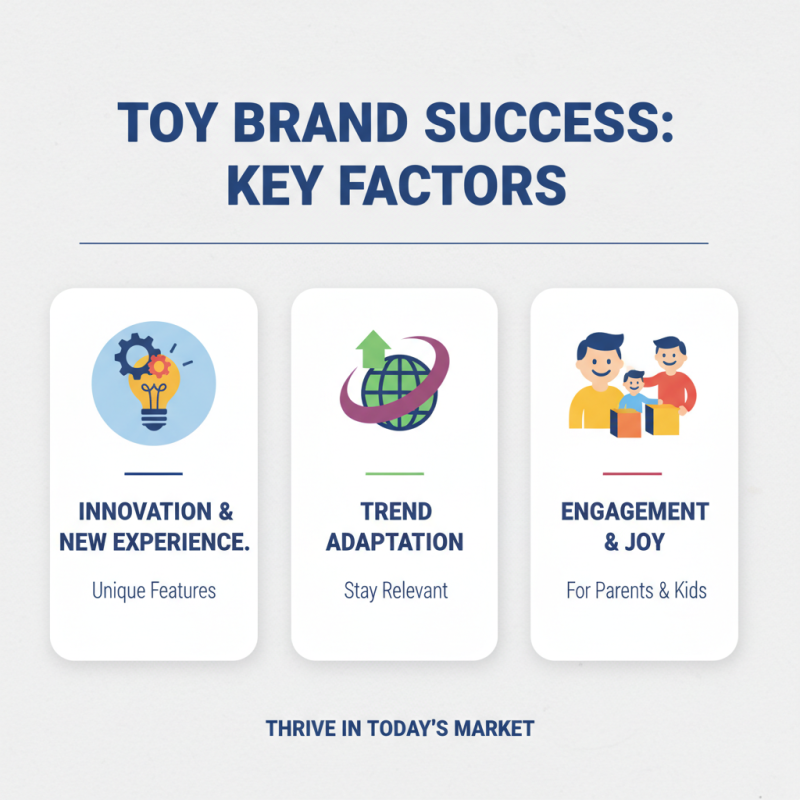
Dr. Sarah Gonzales, an industry expert, states, "The appeal of Kids Toy Brands lies in their ability to adapt to changing preferences." This statement highlights how brands must stay in tune with children's evolving play patterns. Manufacturers are aligning their products with educational trends. STEM-focused toys are on the rise, reflecting a growing parental preference for learning-based activities.
However, not all brands succeed. Some toys fall short of engaging children, leading to wasted resources. The challenge lies in balancing creativity with market demands. Parents often reconsider their choices based on durability and educational value. As the toy market evolves, understanding consumer desires becomes crucial for success among Kids Toy Brands.
Popular Toy Brands for Kids: An Overview
The toy industry reflects changing trends in children's interests. A recent report shows that US toy sales reached over $25 billion in 2022. This marked a significant 7% growth compared to the previous year. Factors driving this growth include the rise of interactive toys and the influence of social media. Kids are now drawn to toys that engage them physically and mentally.
Many parents opt for educational toys, promoting STEM learning. These toys are popular, as they combine fun with learning. A study indicated that 75% of parents prioritize educational value when buying toys. However, the challenge lies in finding toys that balance entertainment and education. Not all toys deliver lasting engagement. Some quickly lose appeal, requiring constant purchasing to keep kids entertained.
Toy brands frequently release new products to maintain interest. This cycle contributes to environmental concerns. Some toys are not made sustainable. The push for eco-friendly options is growing. Research reveals that 60% of parents want toys made from recyclable materials. The market must adapt to these expectations while remaining appealing to young audiences. Balancing consumer demand with ethical practices is a continuous struggle in this vibrant industry.
Historical Evolution of Kids' Toy Brands
The history of kids' toy brands is rich and fascinating. It all began with simple objects. Early toys included wooden dolls and basic games. Over time, the industry evolved significantly. By the 20th century, companies began to brand their toys. This established a connection between kids and specific products.
As technology advanced, so did toys. The introduction of plastic changed many designs. Toys became more colorful and durable. Brands emerged to create unique characters that children loved. These changed playtime and sparked imaginations. Iconic figures captivate children even today.
Tip: Choose toys that encourage creativity. Look for items that inspire storytelling or building. These can offer educational benefits.
Kids' expectations have also transformed. They seek interactive experiences now. Brands must adapt or risk losing relevance. Some brands struggle to meet these modern demands. In contrast, others thrive on innovation.
Tip: Balance fun and educational value in toys. Consider how they support learning. This ensures children gain skills while playing.
Top Innovative Toy Brands Captivating Children's Interests
In today’s world, innovative toy brands are capturing children's interests like never before. Toys that encourage creativity, critical thinking, and collaboration are at the forefront. Textures, colors, and interactive features draw kids in. Gone are the days of simple toys; today’s offerings are multi-dimensional experiences.
Consider toys that combine technology with traditional play. For instance, building kits that incorporate coding skills can stimulate both the mind and imagination. These products often present challenges, making playtime a productive experience. Parents should embrace such engagement, but also encourage breaks from screen time. Balance is key.
Another trend includes eco-friendly toys. Kids today care about the environment. Brands that produce sustainable materials attract young buyers and their parents alike. Eco-conscious choices can lead to valuable discussions about sustainability. Parents may find it worthwhile to reflect on their choices too.
Here’s a tip: look for toys that promote open-ended play. Open-ended toys allow children to experiment and create. They foster growth and understanding in various ways. Fun is essential, but so is learning through play.
Sustainable and Eco-Friendly Toy Brands on the Rise
In recent years, the demand for sustainable and eco-friendly toys has surged. According to a recent industry report, the market for eco-conscious toys is growing at an annual rate of 12%. Parents are increasingly prioritizing the safety and environmental impact of their children’s toys. Traditional plastic toys often contribute to pollution and waste, leading many families to seek greener alternatives.
While brands are responding to this demand, not all eco-friendly toys meet high standards. Some products that claim to be “green” may still use harmful materials. It's crucial for parents to read labels carefully. Look for certifications that guarantee safety and sustainability.
Tips: Always choose toys made from natural materials. These can include wood, organic cotton, or bamboo. Additionally, consider second-hand toys. They are environmentally friendly and often more affordable. Remember that durability matters. Investing in quality toys means they can be passed down, reducing waste further. Celebrate the choice of eco-friendly options, as every small step contributes to a better future.