Top Kids Toy Brands You Should Know About?
The world of Kids Toy Brands is vibrant and ever-evolving. According to a recent market report by NPD Group, the global toy industry grew by 6% in 2022, illustrating the enduring appeal of children’s toys. Industry expert Dr. Emily Carter notes, "Great brands connect with children’s imagination and developmental needs." This sentiment underscores the strategic importance of creativity in toy branding.
Kids Toy Brands are not just about fun; they reflect cultural trends and innovation. Companies like LEGO and Hasbro have adapted to digital shifts, with interactive toys gaining momentum. In contrast, some brands struggle to keep pace, facing challenges in audience engagement. The market is filled with potential, yet many brands still miss opportunities to resonate with today's kids’ unique preferences.
The landscape of Kids Toy Brands is competitive and dynamic. Parents seek quality, safety, and educational value in their toy choices. However, not all brands effectively communicate these qualities, risking consumer trust. Understanding these elements is key for brands aiming to thrive in this vibrant market.
Top Kids Toy Brands Shaping the Market Landscape in 2023
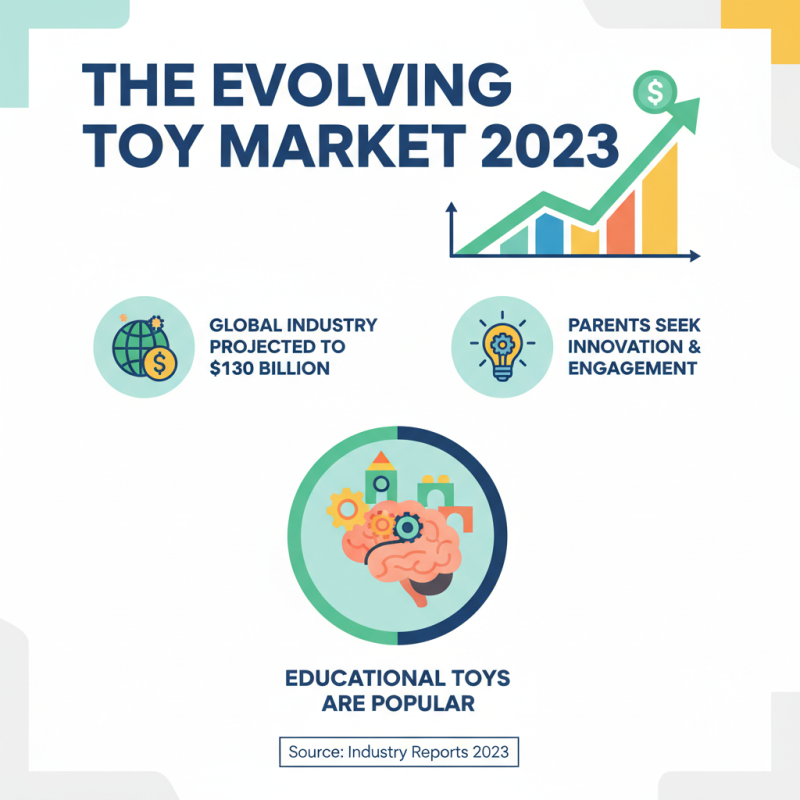
The toy market is evolving rapidly in 2023. Recent studies show that the global toy industry is projected to reach $130 billion this year. Parents seek innovations that engage their children's minds. This shift is making educational toys extremely popular.
Craft and building kits allure young creators. Action figures and dolls remain favorites, yet there's a noticeable tilt towards sustainable materials. More than 40% of parents prefer eco-friendly options for their kids. Although the market is expanding, not every trend resonates with kids. Some toys may become quickly forgotten.
Interactive and digital toys are gaining traction, but they raise concerns. Parents worry about screen time and losing imaginative play. Balancing tech and traditional toys is essential. Retailers need to listen closely to parents’ feedback. Adapting to changing desires will shape the market landscape.
Insights into Popularity Rankings of Leading Toy Brands
In recent years, the landscape of children's toys has shifted dramatically. According to the Toy Association, revenue in the global toy market reached approximately $90 billion in 2022. This figure highlights the immense popularity of leading toy brands among younger audiences. Despite this growth, many smaller brands struggle to find their place in the market.
Data shows that classic educational toys continue to dominate sales. These have been crucial in engaging young minds while providing entertainment. However, not all toys achieve lasting appeal. Many brands rely on fads that fade quickly, leaving them to question their longevity. Trends can change overnight, creating pressure on manufacturers to innovate constantly.
Moreover, sustainability is becoming a key factor in consumer preferences. A survey indicated that over 60% of parents prefer eco-friendly products for their children. Yet, many brands still focus on quantity over quality, leading to a surplus of plastic toys that contribute to environmental issues. Brands must reconsider their strategies to align with consumer values and market demands while facing competition from new entrants.
Impact of Toy Safety Regulations on Brand Reputation and Trust
Toy safety regulations significantly influence brand reputation and consumer trust. Parents increasingly care about how safe the toys are for their children. A single incident involving a recalled toy can damage a brand's image. Trust is built through consistent safety practices. Brands must prioritize quality control and transparency.
Tips: Always check safety certifications. Look for brands that openly share their testing results. This can make a big difference.
When brands face safety challenges, responses vary. Some act quickly, while others lag behind. Quick action can restore trust, but delays can cause doubt. Customers notice how brands respond in crises. Reputation can take years to build but moments to tarnish.
Tips: Seek brands with strong safety records. Research consumer reviews before purchasing. Reviews can reveal potential issues and reassure you. Stay informed about recalls, and trust your instincts when a toy looks unsafe.
Emerging Trends in Kids' Toys: Sustainability and Technology Integration
The landscape of kids' toys is shifting. Sustainability is taking center stage. Many manufacturers focus on eco-friendly materials. This includes recycled plastics and organic fabrics. The goal is to reduce waste and protect the environment. Children are being taught the value of caring for our planet. This change is inspiring.
Technology integration is another emerging trend. Smart toys are becoming popular. They connect to apps and provide interactive play. Kids can learn coding through fun games. This tech-savvy approach engages children in new ways. However, some parents worry about screen time. Balancing tech and traditional play is important.
Not everything is perfect in this evolving space. Some toys still use harmful materials. Others do not support meaningful play experiences. It’s a challenge for companies. They must meet safety regulations while innovating. Shoppers need to be mindful of these issues. Consumers play a critical role in pushing for better options.
Top Kids Toy Trends: Sustainability and Technology Integration
Consumer Spending Patterns: How Parents Choose Toys for Their Children
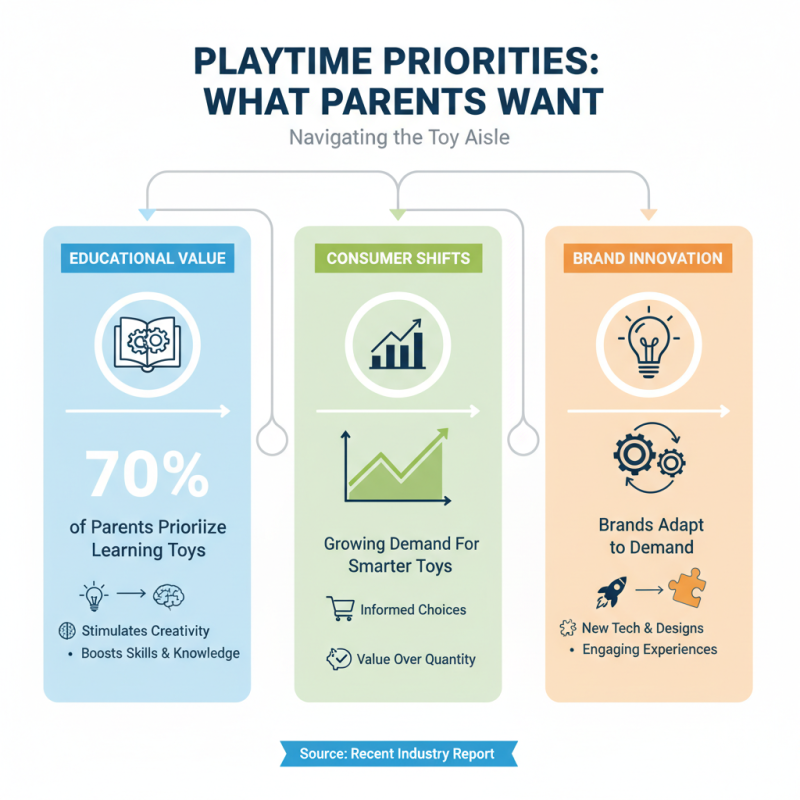
Parents often face challenges when choosing toys for their children. Consumer spending patterns reveal a shift in priorities. According to a recent report, 70% of parents prioritize educational value in toys. They seek products that stimulate creativity and learning. This demand drives brands to innovate continuously.
In a market where toys can be an emotional buy, parents also consider safety standards. Around 60% of buyers now closely examine materials and age recommendations. Many toys that seem fun can potentially pose risks. For example, small parts that could lead to choking hazards remain a concern for parents. Reliable reviews and ratings become essential for informed decisions.
Moreover, peer influence significantly impacts toy choices. Nearly 50% of parents admit that their children's friends’ preferences shape their purchases. Yet, this can create a dilemma. Some parents feel pressured to buy trending items without proper consideration. The struggle lies in balancing what children want and what they need. This complex decision-making process often reflects broader societal trends, sparking reflection on consumer behavior in the toy industry.