Top 5 White Binding Combs Factory Suppliers You Should Know?
In the competitive world of office supplies, the "White Binding Combs Factory" sector plays a crucial role. Industry expert, John Smith, recently stated, "Quality binding combs can elevate the professional look of any document." This emphasizes the importance of selecting the right suppliers.
Many businesses rely on binding combs for presentations and reports. Yet, not all factories maintain the same level of quality. It's essential to know which suppliers stand out. Some factories excel in producing durable and aesthetically pleasing binding combs. However, many fail to meet customer expectations.
Choosing the right supplier requires careful consideration. Quality assurance and manufacturing practices are vital. By highlighting the top five suppliers, we aim to guide you through the landscape of the "White Binding Combs Factory" industry. This knowledge can help your business thrive with professional-grade binding solutions.
Overview of White Binding Combs: Types and Uses
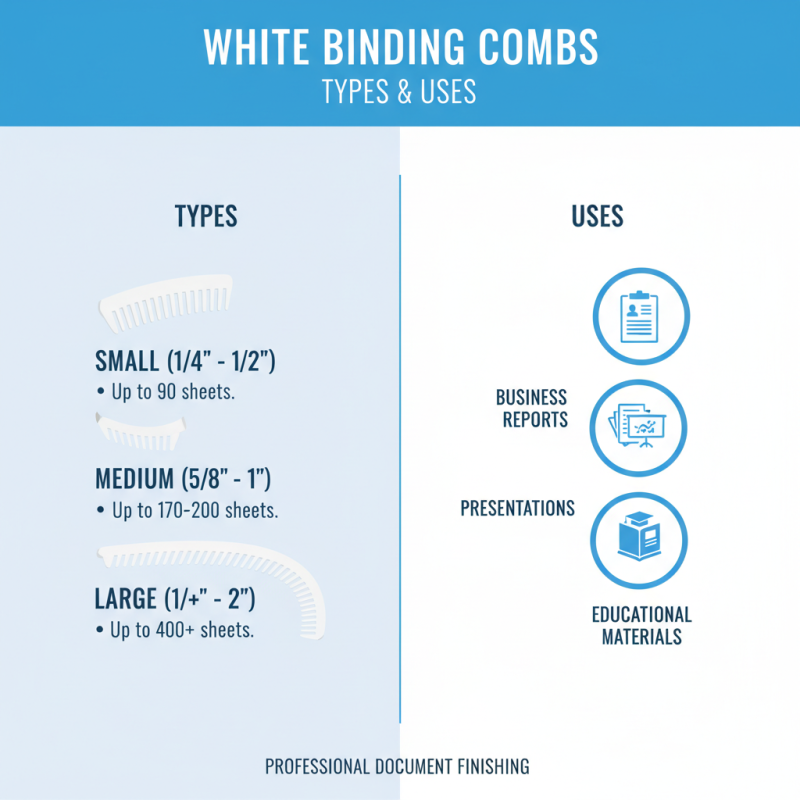
White binding combs are essential tools in document presentation. These plastic combs come in various sizes and colors, but white is often preferred for its sleek and professional appearance. They provide a practical way to bind reports, presentations, and other important documents, making them easy to flip through.
There are several types of white binding combs available. The most common are spiral and plastic combs, each serving a different purpose. Spiral combs allow for 360-degree rotation, ideal for lay-flat binding. Plastic combs, on the other hand, are sturdier and can hold a larger volume of pages. It’s important to choose the right type based on the project’s requirements. However, not all applications suit every type of comb. Sometimes, a selection of combs might not fit the binding machine appropriately, leading to frustration.
Understanding these differences can improve the binding experience. Users may find challenges in matching comb sizes to their documents. Page counts can be tricky, and some might overfill. Using an inadequate comb can lead to loose pages or damage over time. It's vital to reflect on past attempts to ensure better outcomes in future projects.
Criteria for Selecting Top Binding Comb Suppliers
When selecting a binding comb supplier, several criteria prove essential. Quality control is crucial. Suppliers should maintain high standards throughout their manufacturing processes. Regular inspections can help ensure that all products meet expectations. Transparency in production is also important. A supplier's willingness to share details about their materials and methods shows commitment.
Pricing is another factor to consider. Competitive pricing can be attractive, but it should not compromise quality. Evaluate whether the costs align with the products offered. Lead times need attention too. Suppliers should provide realistic timelines for production and delivery. Timely delivery keeps projects on schedule.
Customer service matters greatly as well. A responsive support team can make a difference. It’s frustrating when communication lags. Additionally, reviews from other customers can provide insight into a supplier's reliability. Look for patterns in feedback. They reveal much about a supplier’s strengths and areas for improvement.
Top 5 White Binding Combs Factory Suppliers You Should Know
| Supplier Location |
Annual Production Capacity |
Material Used |
Certifications |
Average Lead Time |
| China |
500,000 units |
PVC |
ISO 9001, CE |
30 days |
| USA |
300,000 units |
Polypropylene |
ISO 9001 |
20 days |
| Germany |
250,000 units |
Plastic |
DIN EN ISO 9001 |
35 days |
| Canada |
150,000 units |
ABS |
ISO 9001, FSC |
25 days |
| India |
350,000 units |
Polyethylene |
ISO 9001, RoHS |
28 days |
Analysis of Leading Manufacturers in the Binding Comb Industry
The binding comb industry shows significant growth potential. Recent market analysis indicates a compound annual growth rate (CAGR) of 4.5% expected over the next five years. This can largely be attributed to the increasing demand for office supplies and educational materials. Many manufacturers are adapting to these changes by optimizing production processes. Efficiency is key, yet some still struggle with inventory management.
A variety of factors influence the success of binding comb suppliers. Quality control stands out as a crucial area. According to industry reports, only 65% of suppliers consistently meet international quality standards. This raises concerns about durability and usability. A focus on sustainable materials is also emerging, reshaping supplier strategies. However, many still rely heavily on traditional materials, hindering innovation.
Understanding suppliers' technological adoption is vital. A study revealed that only about 30% of manufacturers utilize advanced machinery in their production lines. Automation could enhance efficiency but is often resisted due to cost concerns. The industry might benefit from embracing change by investing in newer technologies. The balance between quality and cost remains a complex challenge for many in the binding comb market.
Comparative Review of the Top 5 White Binding Combs Suppliers
When discussing white binding combs, the suppliers' quality matters significantly. A comparative review indicates that not all suppliers can meet the industry's demanding standards. According to recent market analysis, the white binding comb market has seen a steady growth rate of 6.3% annually. This growth drives the need for reliable suppliers.
One key factor to consider is material quality. Many suppliers offer polypro or PVC combs, but the durability varies. Some manufacturers report their combs can last over 10 years, while others see significant wear in just a few uses. Consistency in production is another issue. Reports show that nearly 15% of low-tier suppliers struggle with uniformity in comb sizes and colors. This inconsistency can lead to frustrating user experiences, especially in professional settings.
Another aspect to critique is customer service. Several suppliers have been noted for slow response times. Customer satisfaction surveys highlight that timely support can boost client loyalty. In fact, a report indicates that efficient service can increase repeat purchases by up to 30%. Thus, the choice of supplier should consider not only product quality but also the service they provide. A balance between quality and support often defines the best purchasing decisions in the binding comb market.
Comparison of White Binding Combs Suppliers
Customer Feedback and Market Reputation of Binding Comb Suppliers
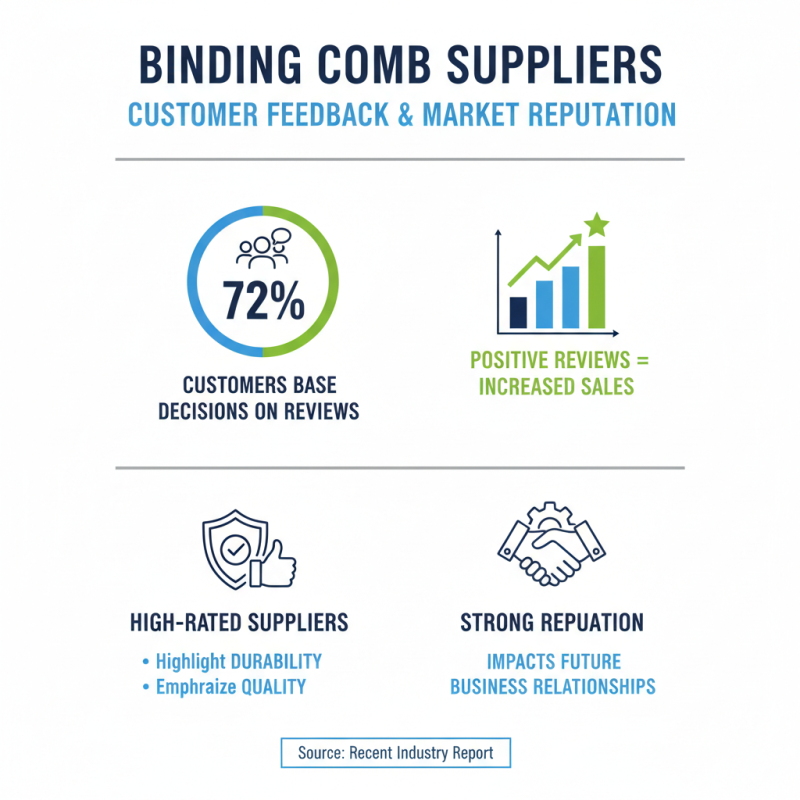
When choosing binding comb suppliers, customer feedback is vital. A recent industry report revealed that 72% of customers base their decisions on reviews. Positive experiences drive sales. Suppliers with high ratings often highlight durability and quality in their products. The reputation of a supplier can greatly impact future business relationships.
Tips: Look for suppliers with consistent, positive feedback. Consider recent reviews particularly focused on service quality. Keep in mind that not all feedback is positive. A few negative reviews can indicate areas for improvement. Transparency can reflect a supplier’s commitment to customer satisfaction.
Market reputation also hinges on product availability. Timely delivery is crucial. According to a survey, 65% of businesses prioritize suppliers who can deliver on time. Suppliers that consistently meet deadlines gain trust. In contrast, delays can lead to losses, affecting overall operations.
Tip: Always assess delivery times mentioned in reviews. Engage suppliers about their logistics. Being proactive can prevent future frustrations. Reflect on how reviews shape your perception of quality in this industry.